Here are some of the current research projects being conducted here at the Lind Station.
Live Feed Field Cam
Check out our live feed on YouTube showing the current crop conditions. This is sponsored by the Washington Grain Commission.
Winter Wheat Breeding
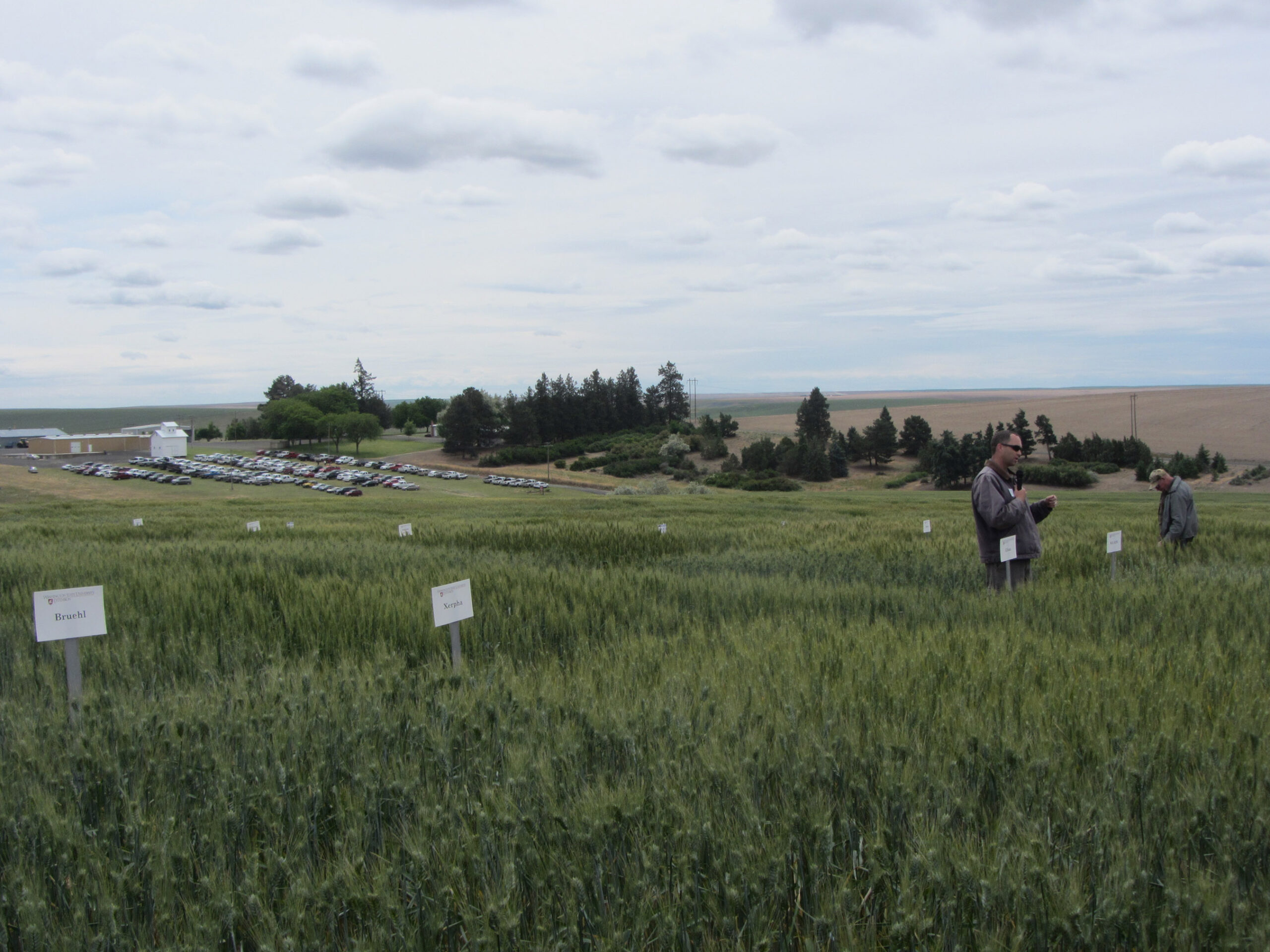
The Winter Wheat Breeding and Genetics Program at Washington State University remains committed to developing high yielding, disease resistant, and high end-use quality cultivars to maintain sustainability of production. Our program utilizes research from graduate students to identify new tools and techniques to improve selection efficiency. We have been investigating genomic selection efforts and have found them very useful to remove lines from the breeding program which do not hold potential for cultivar release. This technique also allows us to evaluate lines on their genetic potential, when phenotypic trait data is not available, like for end-use quality during first year yield trials and for years when disease is not present.
PI: Arron Carter
PI: Arron Carter
Biosolids Research
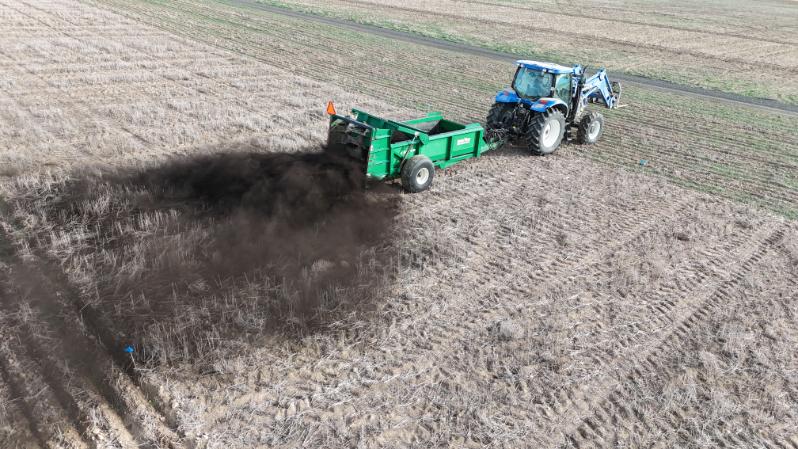
Carbon-rich organic amendments such as biosolids, co-composted biochar, liquid biofertilizers, and compost present promising alternatives. Research in the Inland Pacific Northwest has shown that biosolids can achieve wheat yields comparable to or higher than those obtained with synthetic fertilizers while improving long term soil health. However, a critical knowledge gap remains regarding the comparative effectiveness of these organic amendments and conventional fertilizers under dryland and irrigated conditions in the region.
The overarching objectives of the study are:
1. Agronomic Performance: Assess wheat yields, grain quality, and yield components under different treatments.
2. Soil Health Assessment: Examine impacts on soil nutrient availability, SOM, and key soil health indicators across soil depths.
3. Microbial Community Analysis: Evaluate shifts in microbial variety and activity to understand soil biological responses
PI: Surendra Singh and Shikha Singh
Funding agency: Northwest Biosolids
The overarching objectives of the study are:
1. Agronomic Performance: Assess wheat yields, grain quality, and yield components under different treatments.
2. Soil Health Assessment: Examine impacts on soil nutrient availability, SOM, and key soil health indicators across soil depths.
3. Microbial Community Analysis: Evaluate shifts in microbial variety and activity to understand soil biological responses
PI: Surendra Singh and Shikha Singh
Funding agency: Northwest Biosolids
Camelina Research
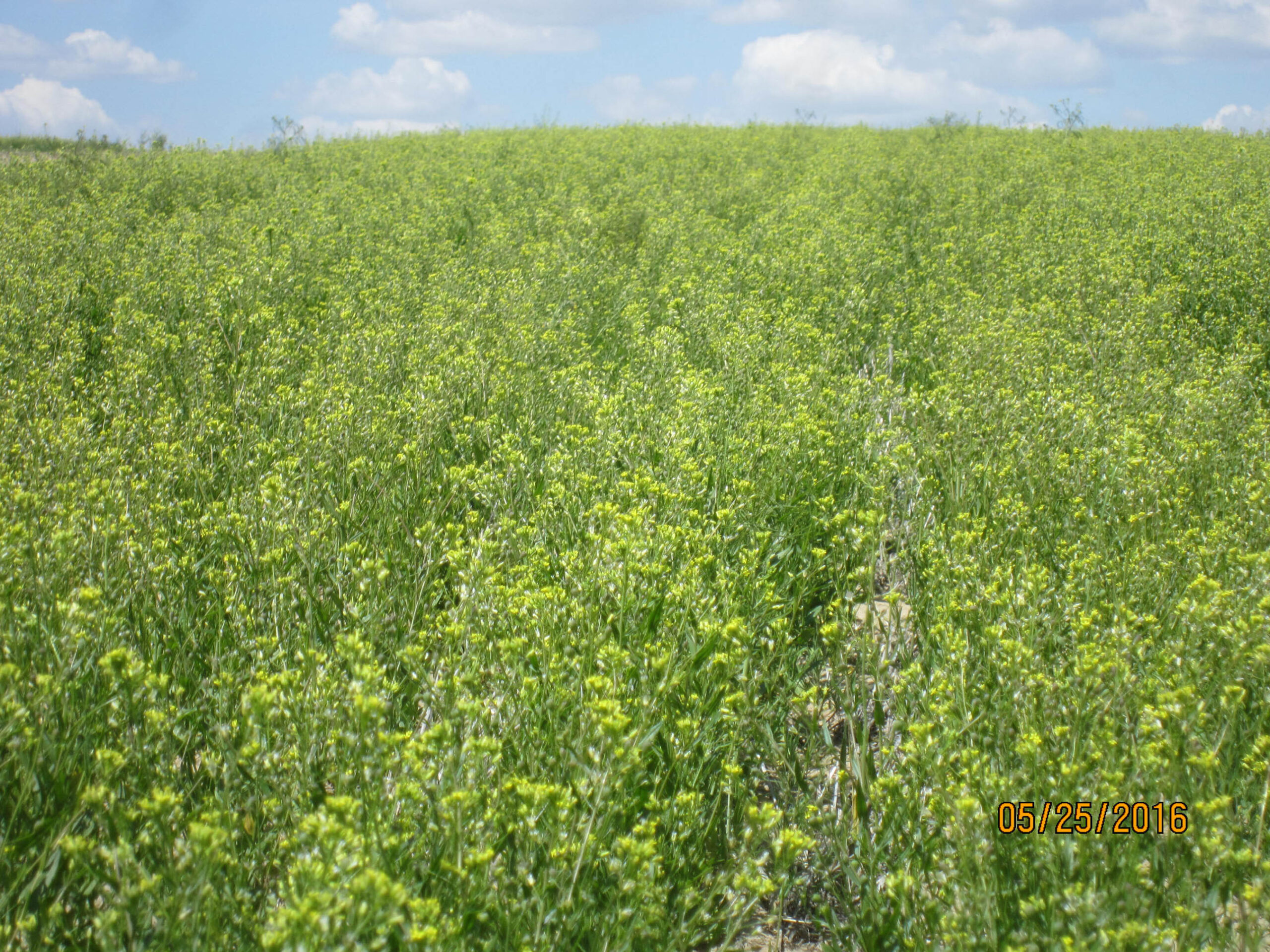
Camelina has emerged as an alternative oilseed crop due to agronomic advantages like short-maturity, drought and frost tolerance, and minimal input requirements. Camelina seeds are rich in oil (35-45%), especially heart healthy omega-3 fatty acids, which is used to produce biofuels and edible cooking oil, and the remnant camelina meal is a protein-rich animal feed.
This research project investigates the potential to sustainably intensify dryland, wheat-fallow rotations through the incorporation of camelina (Winter Wheat-Winter Camelina-Fallow). This project evaluates 48 different camelina cultivars, seeded both in the fall and early spring, under normal and zero nitrogen rates, with the aim of determining the best agronomic practices for camelina production and identifying cultivars best adapted to these growing conditions. Sustainably intensifying the traditional dryland wheat-fallow rotation will provide both economic and environmental resiliency to growers now and into the future.
PI: Tim Paulitz, Wilson Craine, and Surendra Singh
This research project investigates the potential to sustainably intensify dryland, wheat-fallow rotations through the incorporation of camelina (Winter Wheat-Winter Camelina-Fallow). This project evaluates 48 different camelina cultivars, seeded both in the fall and early spring, under normal and zero nitrogen rates, with the aim of determining the best agronomic practices for camelina production and identifying cultivars best adapted to these growing conditions. Sustainably intensifying the traditional dryland wheat-fallow rotation will provide both economic and environmental resiliency to growers now and into the future.
PI: Tim Paulitz, Wilson Craine, and Surendra Singh
Cereal Variety Testing Program
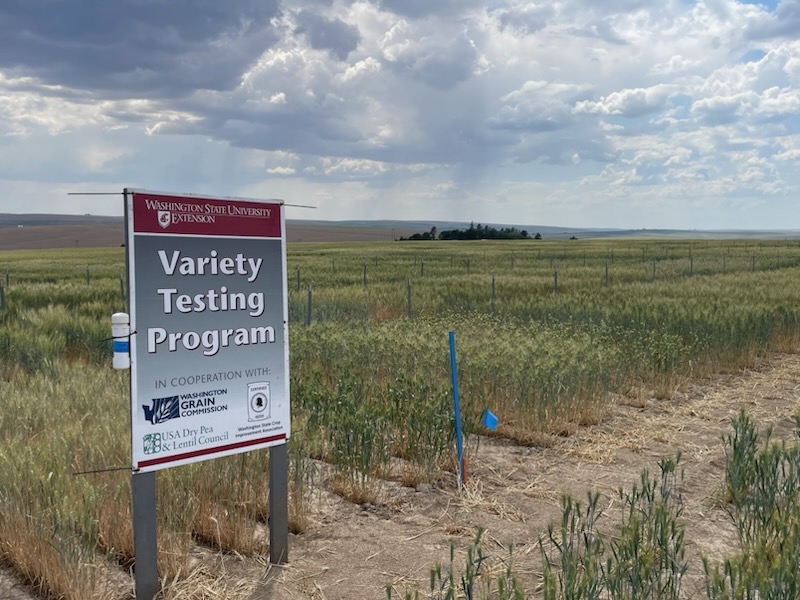
The WSU Extension Cereal Variety Testing Program conducts variety trials at locations throughout Eastern Washington, including at the Lind Dryland Research Station. Trials planted at Lind compare commercial varieties and advanced breeding lines of soft white winter, hard red winter, soft white spring, and hard red spring wheat. The primary goal of the program is to produce comprehensive, reliable, and unbiased data for growers, agribusiness industry, university researchers and other clientele to use and make informed decisions. The use of sound statistical methodology and uniform testing procedures allow for the comparison of varieties both within and across environments.
CRP Research
The project aims to generate research-based information from dryland pacific northwest on continued and transitional CRP benefits on soil health, soil microbial dynamics and functions, soil carbon sequestration, crop performance, and greenhouse gas emissions under the following conditions: (i) Enrollment of agricultural land into CRP, (ii) Conversion of CRP land into agricultural land (no-till and tilled systems), and (iii) ongoing side-by-side comparison of long-term CRP, agricultural land, and land with no agricultural history.
PI: Surendra Singh and Shikha Singh
PI: Surendra Singh and Shikha Singh
Weed Research
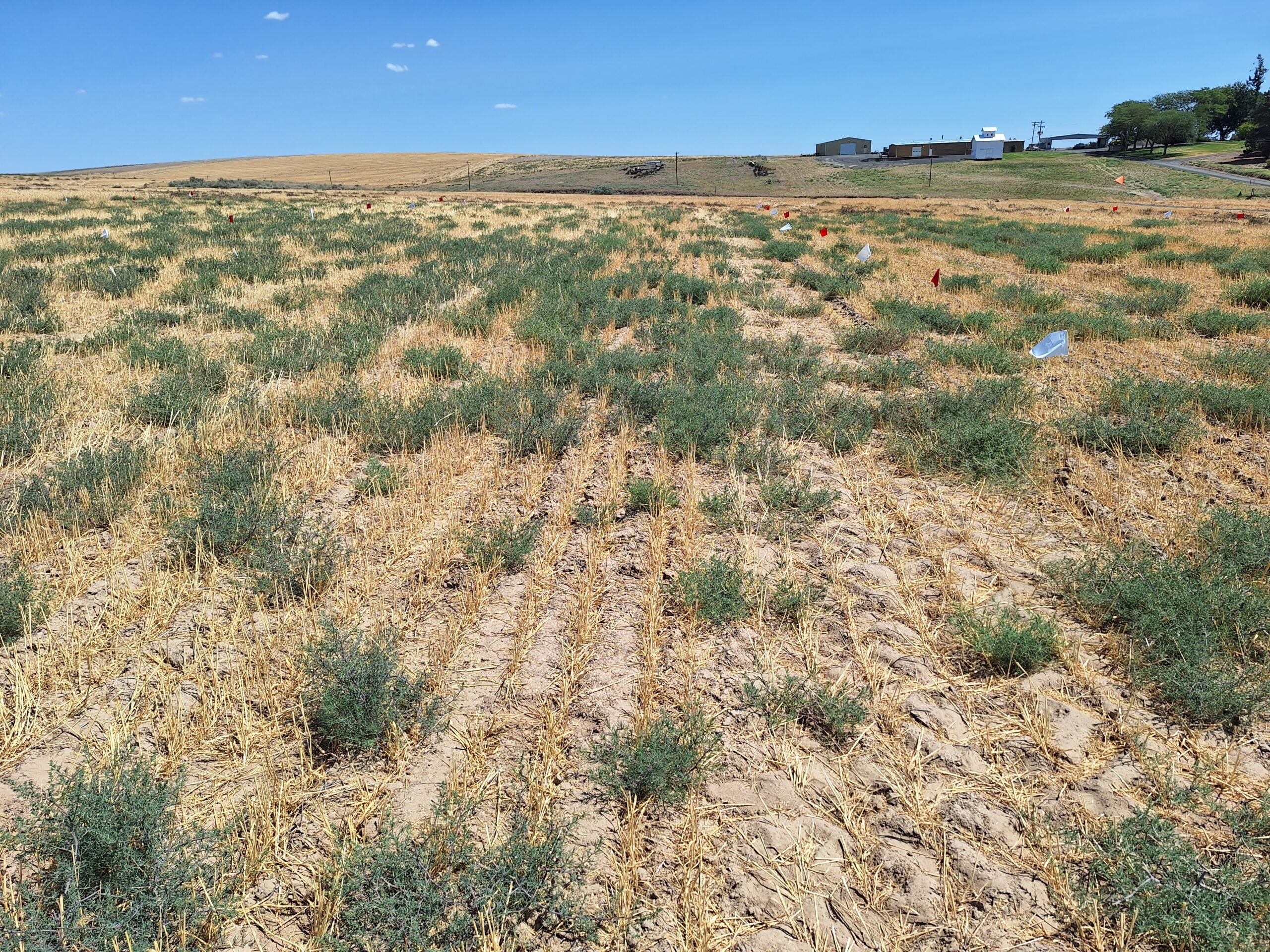
Weeds are a major pest in the dryland wheat production systems of Eastern Washington. They compete with crops for valuable water, nutrients, and light. Recent weed science research conducted at the Lind Dryland Research Station has focused on Russian thistle control in wheat, after wheat harvest, and during fallow. We have also investigated broadleaf weed management in winter pea.
PeaLina Research
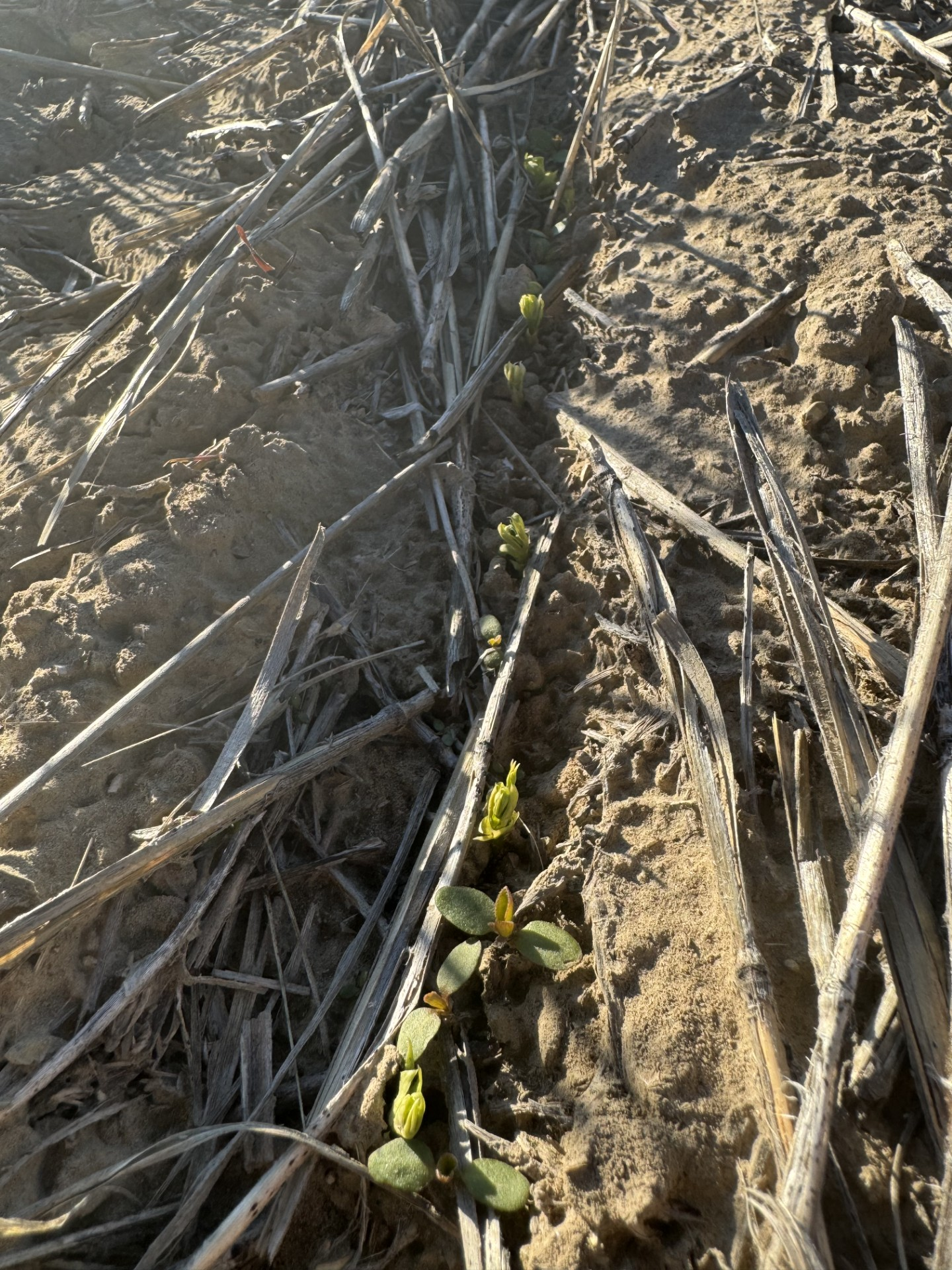
Intercropping is an agricultural practice where two or more different crops are grown simultaneously in the same field, and can lead to higher overall yields, increased crop resilience, improved soil health, and more sustainable farming practices by optimizing space, reducing input costs, and minimizing environmental impact.
Intercropped legumes and oilseeds create a synergistic partnership due to their different growth habits and plant architecture. The nitrogen-fixing ability of legumes enriches the soil, while reducing reliance on synthetic fertilizers normally required for the nutrient-demanding oilseed crops. This partnership can improve water and nutrient efficiency, suppress weeds, minimize pest and disease risks, and stabilize yields.
This PeaLina research project investigates the potential of intercropping winter camelina and winter pea in the dryland wheat-fallow zone. Currently, this project is investigating different agronomic practices to better understand this intercrop system and establish protocols that can be used in future research trials. Specifically, this project utilizes different seeding rates, methods, and depths in addition to variable nitrogen application rates to better understand agronomic practices critical to establishing the crops and how these practices can impact seed yield. The protocols established by this research project will be used in future PeaLina intercrop rotation studies.
PI: Wilson Craine
Intercropped legumes and oilseeds create a synergistic partnership due to their different growth habits and plant architecture. The nitrogen-fixing ability of legumes enriches the soil, while reducing reliance on synthetic fertilizers normally required for the nutrient-demanding oilseed crops. This partnership can improve water and nutrient efficiency, suppress weeds, minimize pest and disease risks, and stabilize yields.
This PeaLina research project investigates the potential of intercropping winter camelina and winter pea in the dryland wheat-fallow zone. Currently, this project is investigating different agronomic practices to better understand this intercrop system and establish protocols that can be used in future research trials. Specifically, this project utilizes different seeding rates, methods, and depths in addition to variable nitrogen application rates to better understand agronomic practices critical to establishing the crops and how these practices can impact seed yield. The protocols established by this research project will be used in future PeaLina intercrop rotation studies.
PI: Wilson Craine
Product Testing
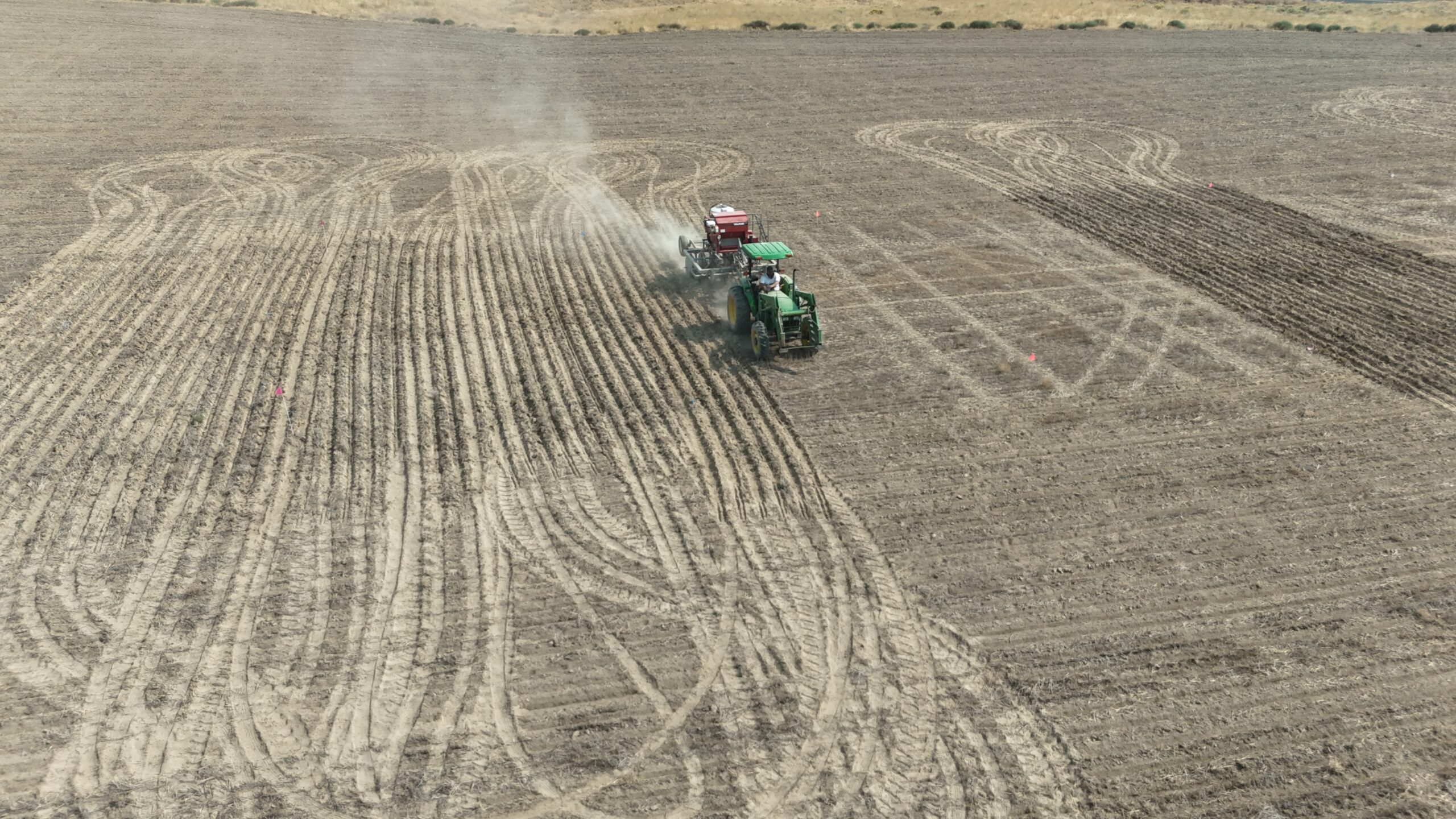
A new project has been funded by the Washington Grain Commission to test selected commercially available products which claim to improve crop yields, soil fertility, weed control, soil microbiology, disease control, and soil health at low- and intermediate rainfall zones of Washington.
The primary goal of this research project is to evaluate the efficacy, agronomic performance, and economic viability of commercially available products for dryland wheat systems in the eastern Washington region. The findings aim to provide research-based recommendations to farmers and stakeholders, facilitating informed decision-making for optimizing farm profitability and environmental stewardship.
PI: Surendra Singh and Aaron Esser
Funding Agency: Washington Grain Commission
The primary goal of this research project is to evaluate the efficacy, agronomic performance, and economic viability of commercially available products for dryland wheat systems in the eastern Washington region. The findings aim to provide research-based recommendations to farmers and stakeholders, facilitating informed decision-making for optimizing farm profitability and environmental stewardship.
PI: Surendra Singh and Aaron Esser
Funding Agency: Washington Grain Commission